

And healthy ecosystems benefit humans. It’s all a part of the circle of life. Compassionate conservation considers the lives of individual beings as a critical component to keeping ecosystems healthy.
How do humans reconcile the conservation models of previous generations to today’s stark reality in the loss of biological diversity? Many factors have led to the loss of biological diversity, such as human development into wilderness areas, fringe hunters, global warming leading to the climate crisis, sport hunting, and more. These are some of the the primary factor leading to biodiversity loss. One concern is how wild animals are viewed as we enter this climate crisis and using the previous generations’ conservation models may not work within this new dynamic. Does the previous generations conservation models consider that individuals matter when it comes to animal communities, such as elephants and wolves? We are now learning more about these individuals thanks to renowned conservationist like Jane Goodall. I agree with Dr. Jane Goodall’s view in the following quote and believe individuals do matter.
We should ensure that they get informed about the true nature of wolves, that wolves are highly intelligent, have a rich emotional life, and have feelings such as fear, anxiety, contentment, frustration, compassion, and so on. Wolves are intensely loyal to PAC members and are likely to grieve of the death or disappearance of a close companion. ~Dr. Jane Goodall, DBE, founder of the Jane Goodall Institution & UN Messenger of Peace, quote from interview People & Wolves Movie.
I will not slam hunters because most hunters hunt for subsistence, at least ethical ones. In the following People & wolves movie clip, Michael Waasegiizhig Price discusses two meanings of an Anishinaabe word.
There is a difference between killing for sport and hunting to feed your family. The difference can be devastating to populations of wild animals if hunted out of ignorance. Years ago, I read about culling, (the reduction of a wild animal population by selective slaughter), of the African elephant herd, and it has stuck with me to this day. Mainly because diving deep into elephant behavior & affects on ecosystems over centuries can prove that culling doesn’t work. Conservationists justified the culling due to a drought, believing elephant herds worsened it. They got it wrong when, in fact, the herds helped other animals. The following are many ways they help during droughts.
Elephants are keystone species that help maintain the health of their ecosystems and support biodiversity
Elephants use their feet and tusks to dig deep holes in riverbeds to access water, creating mini watering holes that other animals can use. Elephant footprints are deep enough to collect rain and dew, which is another important water source for other species. Elephants can smell water from over five kilometers away. Elephants have highly developed hearing and can perceive the sounds of water from great distances. They can also “hear” vibrations through the ground with sensitive nerves in their skin and gelatinous growths in their feet. Elephants help spread seeds in their dung. Elephants clear paths through forests and thick brush that other animals depend on. Elephants find salt licks that other species rely on.


Photographs of African Elephants credit https://www.klaustiedge.com/product-category/wildlife-prints/elephant/
Gray wolves as well as elephants are keystone species that help maintain the health of their ecosystems and support biodiversity.
Wolves may be pollinators as well as predators study suggests discovered in Ethiopia. These local predators were deliberately licking the vibrant flowers of the red hot poker plant that grows in the country’s highlands.Scientists have informally observed Ethiopian wolves exhibiting this odd behavior over past few decades. Now, a study published in the journal Ecology in November and coauthored by Sillero documents it in detail for the first time and suggests that the wolves may even help to pollinate the distinctive flower.
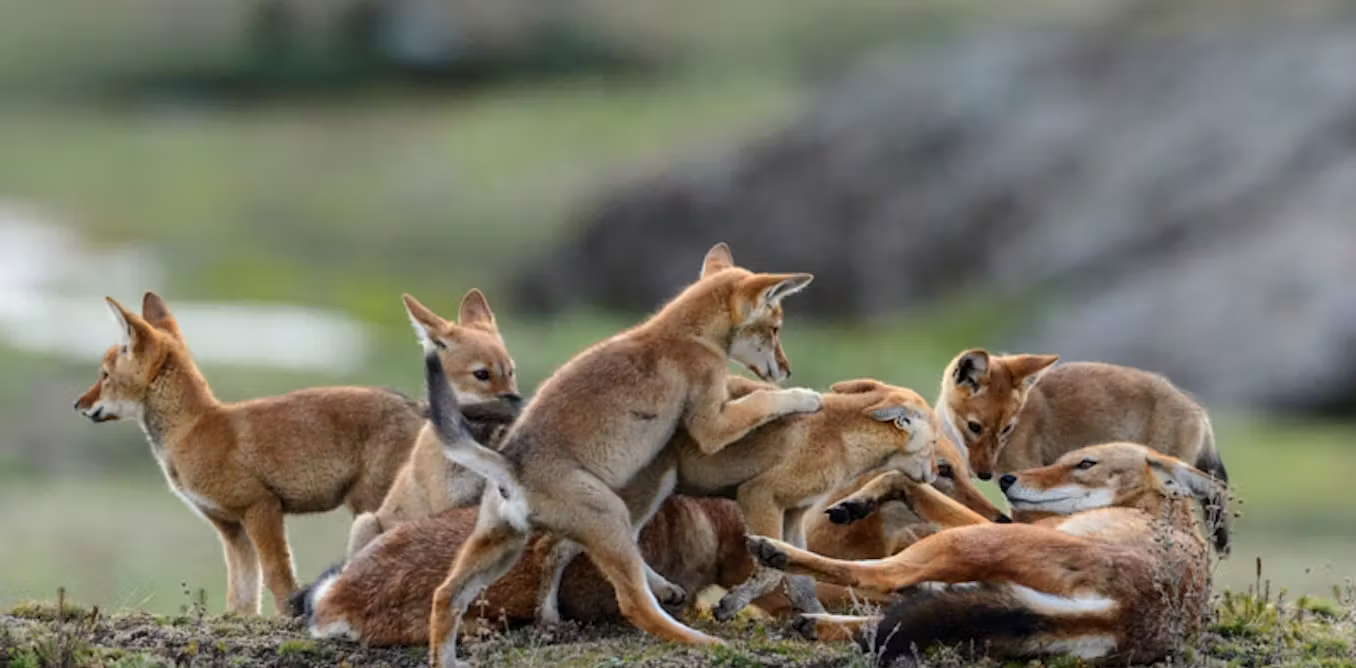
Tight social bonds help Ethiopian wolves protect their families and territories. © by lorenzfischer.photo
Elephants and Gray wolves live in families headed by a matriarch. The matriarch has learned how to survive from previous matriarchs. They learn from each other, proving that individuals matter. For example, elephants can benefit other animals in drought because they learn from a Matriarch how to survive a drought. Does the North American Model acknowledge that learned behavior and those individuals matter?
The North American Model of Wildlife Conservation is a set of principles that guide wildlife conservation and management in the United States and Canada. The model’s origins date back to the 19th century, when the near extinction of several species of wildlife led to the rise of sportsmen who advocated for wilderness preservation. The model’s principles include:
Wildlife should be managed to maintain optimal population levels
Wildlife is a public trust resource
Wildlife should only be killed for a legitimate purpose
Science should be used to guide wildlife policy
Individual animals matter to a community and should this be taken into account and added to the principles of the model?
In Wisconsin during the 1800s, logging depleted the resource, (ran out of White Pine trees), and needed a new income source. They opened up sport hunting, and in came the hunters looking to bag woodland elk, buffalo, and antelope causing them to disappear from the landscape. This caused a trickle-down effect, resulting in the loss of Gray wolves in Wisconsin. The wolf’s game disappeared due to the sport hunting, and the hungry wolves soon turned to livestock, and a bounty was placed on their head. By the 1960s, wolves were considered extirpated from the state.
Today, Wisconsin is now home to an estimated population of one thousand Gray wolves, and is that an optimal population level according to the North American Conservation Model? Some argue it is too high and should be culled and kept at a level of three hundred and fifty wolves. The science community and ethical hunters do not support that view.
Should we consider how the loss of a matriarch, whether in an elephant or wolf society, impacts biodiversity in the ecosystem? Do individual animals matter? They do matter to people and animals.
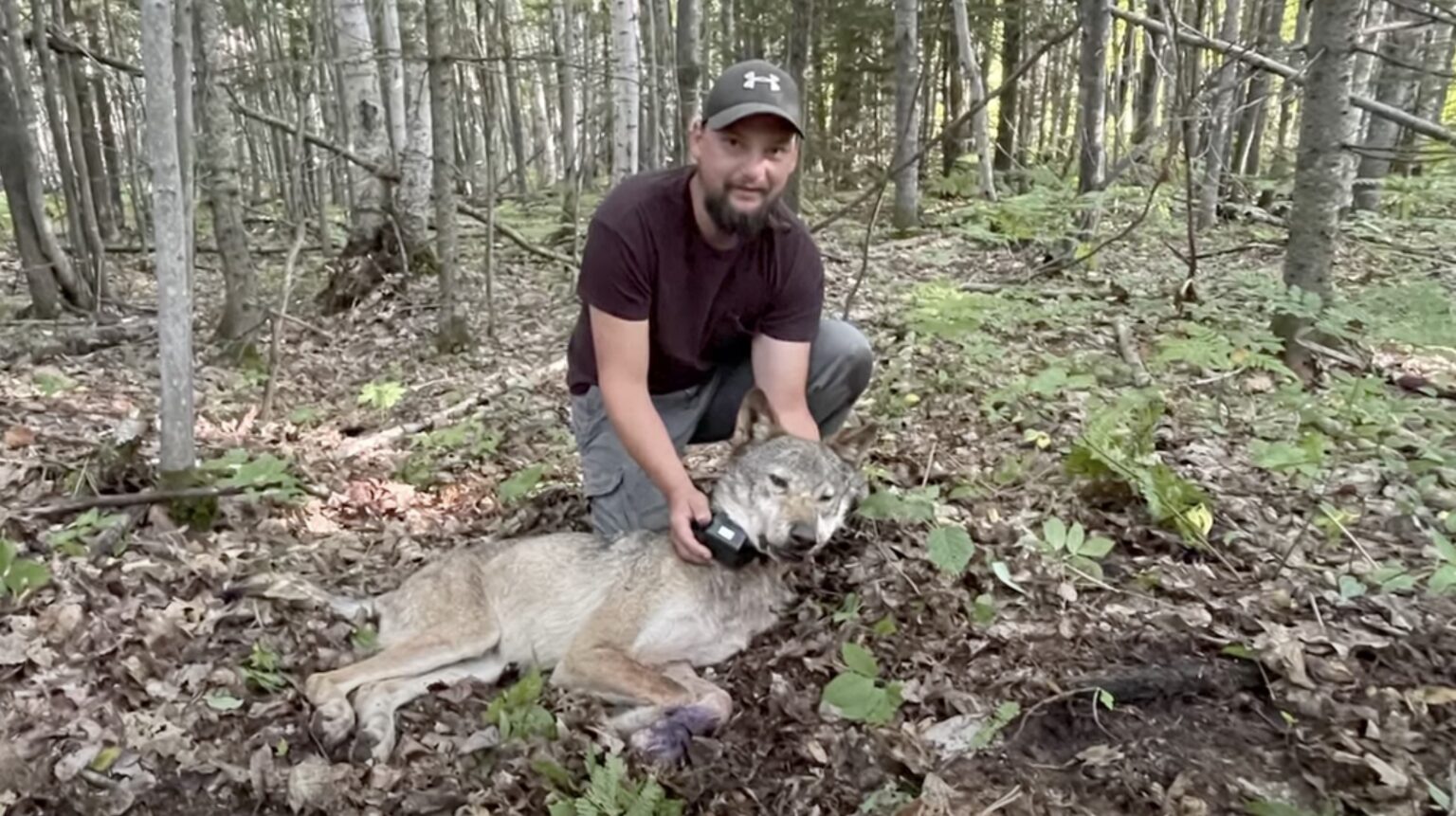
For example, Matriarch Wolf 813 of the Echo Valley Pack, located in Bayfield County and monitored by the Red Cliff Reservation, and her loss affected her family and the Ojibwa people who are a part of her community. She was more than a wolf to them.
She supported her family, even a three-legged wolf, and raised nine generations of pups. Her demise at the hands of a disgruntled fringe hunter is a sad statement. It is still under investigation a year later. How can that be justified? The following is another prime example that individuals do matter in a community of animals.
The following account is from Kira Cassidy a research associate with the Yellowstone Wolf Project.
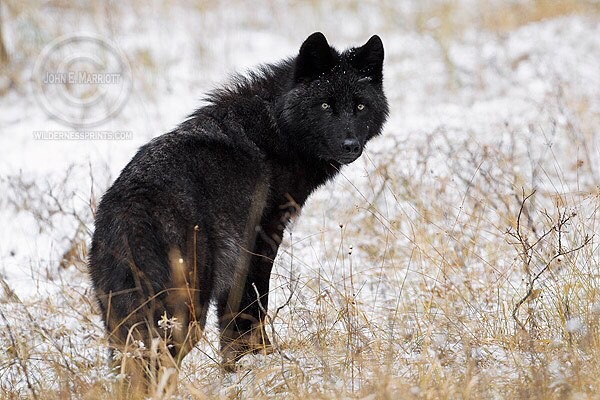
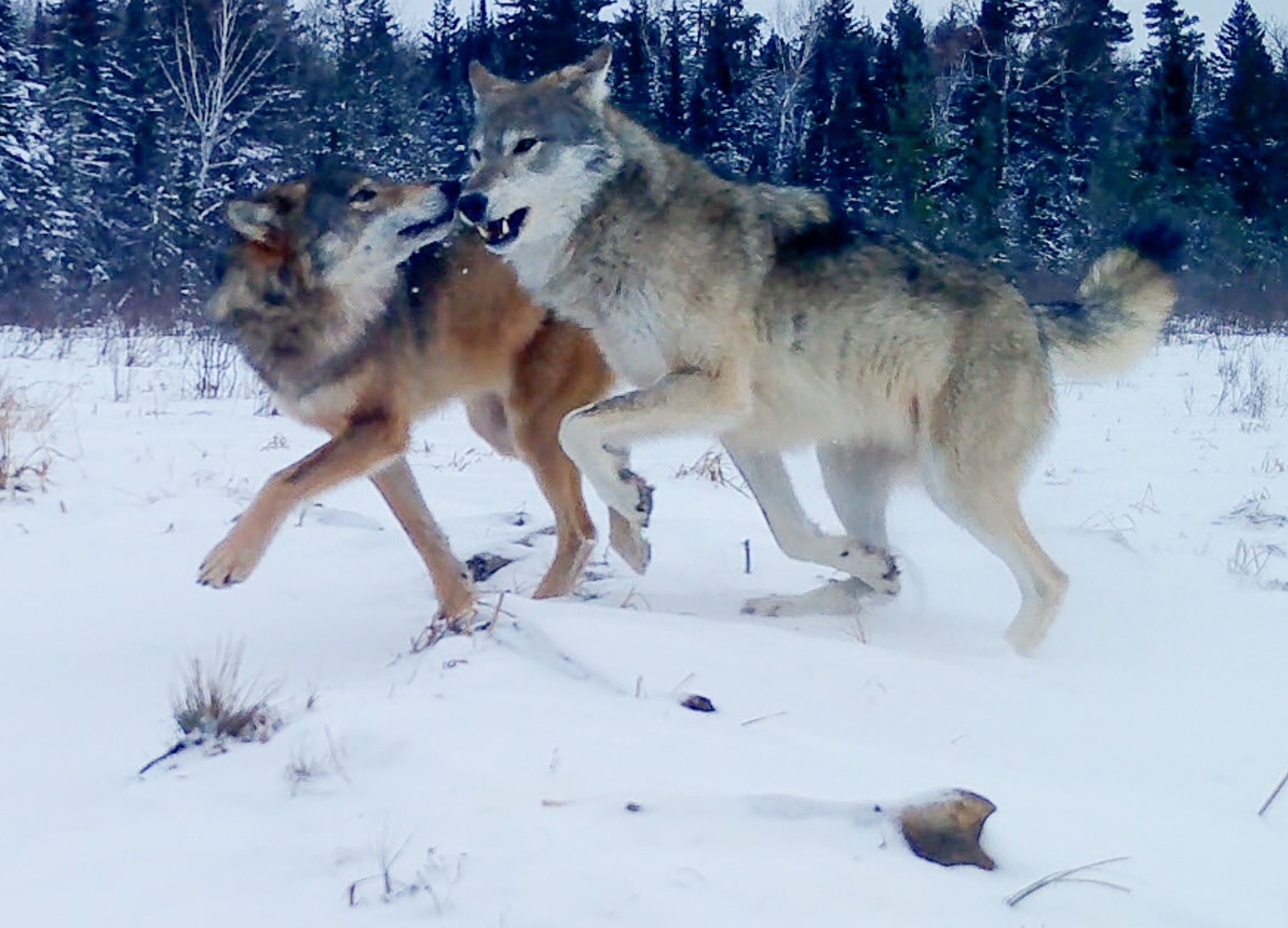
We called him Triangle, for the shape of the white blaze on his chest. Born into the last litter of the Druid Peak pack—he was smaller than his brothers, and even one of his sisters. One cold morning in 2009 he and an older sister encountered three members of the Hoodoo pack, deep in Druid territory. His sister was immediately attacked but instead of running to safety, Triangle jumped into the melee twice, bit one of the Hoodoo wolves and distracted the opposition long enough for his sister to escape. As he turned to run he was bitten hard on a back leg but outdistanced the attackers, finally out of harm’s way.
That account supports the idea that individuals matter for that family of wolves! Triangle like Wolf 813 supported their families by caring for each other. Triangle cared for his sister and proved it by risking his life to save hers. In human terms, do we not call that self-sacrifice? Or courage? Wolf 813, as the matriarch of her family, showed compassion for a fellow family member, a three-legged wolf, by feeding them along with all the family.
Thus, as we humans learn more and more about animal lives, the individual lives of wild beings, like Wolf 813, and Triangle, how does that new knowledge fit with the old conservation model? Should it be updated to include the individual lives of each member within an animal community? Individuals must be valued within that conservation model when culling a wild species to conserve it; because killing for conservation is not conservation. Individuals matter.
Compassionate conservation considers the lives of individual beings as a critical component to keeping ecosystems healthy.
Learn more: https://www.bornfreeusa.org/2016/02/16/compassionate-conservation-wild-animal-welfare/
Discover more from Wolves of Douglas County Wisconsin Media
Subscribe to get the latest posts sent to your email.



Leave a Reply