Wolves are more similar than different from us and deserve rights.
by Rachel Tilseth, posted in Gray Wolf News & Actions, The Rights of Nature
Rights, laws, and the Rights of Nature that grant them the right to live wild and free.
When we say “we will protect the wolf,” it is giving in to the problem rather than finding a solution to that problem. When we acknowledge that their way of thinking, in that thought process, is causing the problem to grow larger and more complex. The problem is exacerbated by this approach to addressing it, and it creates a divide. When we are protecting them from them, all that we do is give in to the problem. The establishment says science has worked, and recovery has brought them back from extinction. The divide grows when we say we must protect them because their science is wrong. But in reality, are both sides wrong? Shouldn’t the science include that animals (wolves) are more similar than different from us? We must have justice for wild sentient beings.

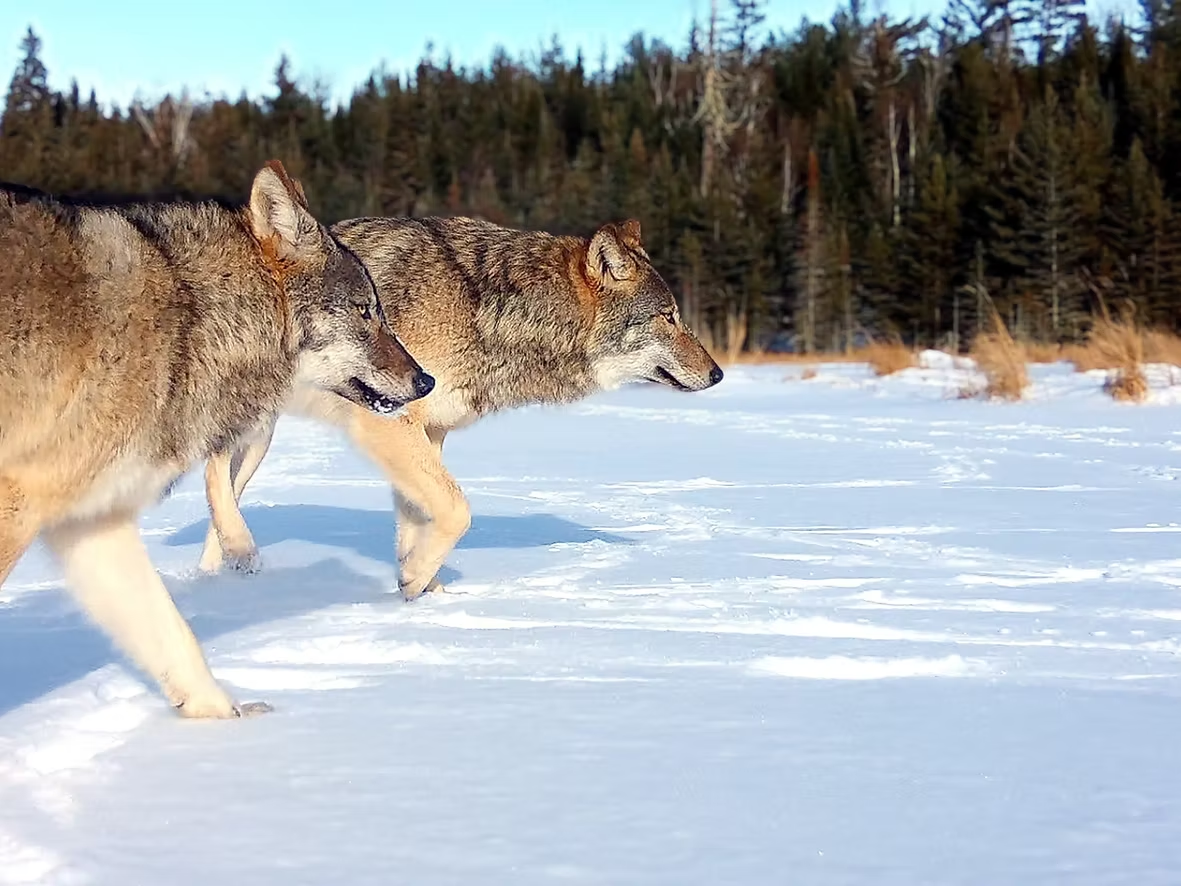
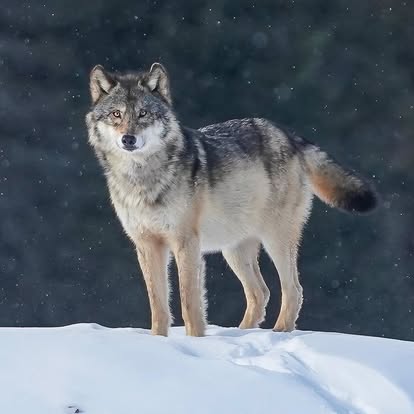
Wolf image credit https://www.voyageurswolfproject.org/
This process of recovering wolves has nothing to do with whether science is right or wrong. Human beings killed them off and now have brought them back. Instead of fighting with them over whose science is better, it must be about how we humans caused it in the first place and how we can solve it. How can we make up for the past mistakes that led to putting them to the brink of extinction in the first place?
Facebook Page Link: https://www.facebook.com/share/p/15pJyer344/
It is not the fault of good or bad science. It is a matter of respect. Wolves like us have families and raise them as they have done for centuries. We, on the other hand, have lost our way and gone farther away from ourselves, our ancestors’ ancient way of living. Today, all we need to do is flip a switch to get light. The ancestors of our best friends live in the remaining pockets of wilderness, and we debate their fate.
The first time I experienced the calls of wild wolves, it was a profound experience. I will paint the experience in a language you will understand, in the hopes that you will know what those calls evoked in my psyche.
I stood silent in the forest, with not a single sound being heard around me. I could not even see my hand right in front of my face; that is how dark it was. When out of nowhere came the call of the wild wolf. It started as a low, soft sound, then began reverberating through me, penetrating through my body into my soul as if I knew it. It was like a memory that had come back to me. It filled my soul.

These wild beings don’t exist because we saved them. Because we have recovered them from the brink of extinction. They belong here just as much as we do. They are individuals just as we are, and we must give them room to be wild. To raise their families in the last remaining wild spaces. We have taken up all those spaces with our things; our cabins, our recreational vehicles, our extractive industries, which take up more and more land.
We have evolved so far from our native roots that we forget who we really are and live in an artificially created world. A world of things cannot speak in terms that are truly human.
Feature art, “the Wolf” by Gordon M. Coons depicts the Ojibwa way of being were wild animals are all connected to one another.
When we fight with the other side about whose science is right or wrong over the fate of them, the wolf, we are as far away from our real selves as we can get. What we need to do is respect them, fight for thier rights to live as they choose, as they have done for centuries. We must work to create laws that give them rights. We must have justice for sentient beings. We are more similar than different from wild wolves. We cannot continue to justify all the harm we do to them because we say we are different from them, and so we must protect them from us (hunters). The science keeps justifying the hunting of them because it says they will rebound. Killing them will not hurt them, so they think.
But it does hurt them, they feel pain, they feel loss of family members, as we do. Just look at your family dog and try to explain away that they do not feel the same as we do.

We must do no harm. As I’ve stated several times, they live in the last remaining wilderness areas. We humans are encroaching on that space. We must create laws that do justice for our wild neighbors. We must give them room to live wild and free from us, the greedy humans. We must do no harm.
“I live where they live, I walk where they walk. I can hear them far away in the fog. I see their tracks, and they smell mine. I don’t need to see and disturb them: I’m happy if they stay in the wild and uncontaminated by me.” ~Brunella Pernigotti, Italian wild wolf advocate.
This way of thinking is becoming more common now due to the devastation to the Earth caused by climate change. We need them now more than ever, and they need us as well. They need us to change from justifying their fate by fighting over whose science is right or wrong to enacting laws that give them rights. It is necessary for the health of us all. There is a growing movement to grant wild beings rights.
The Rights of Nature, Rights of nature or Earth rights is a legal and jurisprudential theory that describes inherent rights as associated with ecosystems and species, similar to the concept of fundamental human rights.
“What I’m talking about, where it is written in universal law, that’s where it is written. It’s written in universal law that says, that gives us specific instructions on how to gather medicine, how to take care of the earth. How is the water behind me take care of that. That’s universal law. So what I’m saying is when you hunt that maiingan, when you go and hunt that maiingan, you’re violating the universal law.”
~Marvin DeFoe, Elder, and member of the Ojibwa Red Cliff Tribe
In 2022, Ecuador was the first country to enact a law that gave animals rights based on their social and cognitive abilities.
Gray wolves are social animals that depend on that order to survive. I learned a great deal about the relationship between the Ojibwa and the wolf while making the film People & Wolves. I do not think we should tread lightly on those relations that have been forged down through the centuries. Instead, we must honor that relationship.
What did I learned most from producing/directing a short film?
“What I learned most about making this film is that the Ojibwa People have lived alongside the wolf for centuries, coexisting with them, learning how to take care of their families from them. They haven’t just coexisted with them, they have a relationship with them whom they consider their brother. The Ojibwa and Ma’iingan (the wolf) exist together as one family.”
~Rachel Tilseth, Director/Producer of the Award-Winning Movie, People & Wolves
This leads me to believe we must give them rights. We must make laws to protect thier rights. Because they are similar to us and to our best friends.
“…wolves are highly intelligent, have a rich emotional life, and have feelings such as fear, anxiety, contentment, frustration, compassion, and so on. Wolves are intensely loyal to PAC members and are likely to grieve of the death or disappearance of a close companion. In other words, they show many of the characteristics that make the domestic dog man’s best friend. Of course they do. They’re the ancestors of all breeds of dogs.” ~Jane Goodall, DBE, founder of the Jane Goodall Institute and UN Messenger of Peace.
Learn more at https://voicefornature.com/projects/rightsofnature/
Join me in this effort to bring rights to wild gray wolves living in the last wilderness areas in Wisconsin.
Share this blog after you make a comment at the end! Please share your thoughts.
Watch the movie too!