

Federal court overturns decision denying Endangered Species protections to wolves.
A federal judge in Missoula on Tuesday August 6, 2025, vacated the federal government’s determination that gray wolves in the Western United States do not need increased federal protections under the Endangered Species Act.
Best available science was ignored in the FWS’s previous decision not to re-list wolves
In the subsequent lawsuits, combined into a single suit before U.S. District Court Judge Donald Molloy, the conservation groups argued that FWS erred in its decision by failing to consider the “best available science” on wolf populations and the impacts of hunting and trapping; the full extent of the species’ historical range; and the threat posed by inadequate state and federal regulations that often bow to political headwinds.
Western States’ methods of counting wolves come under fire.
The agency “made numerous unfounded assumptions regarding the future condition of the gray wolf despite recognizing either limitation on those conditions or bias in the population estimates utilized,” Molloy wrote. “Because these deficiencies are serious and pervasive, they weigh in favor of vacating the portion of the 2024 Finding that determined that the gray wolf in the Western United States does not meet the definition of an endangered or threatened species.”
Gray wolves are listed as a threatened species in Minnesota and endangered in the remaining 44 states.
According to a 2022 report by Fish and Wildlife, which formed the basis for its later determination, there were approximately 2,797 wolves in the western U.S. — including roughly 1,000 wolves in both Montana and Idaho, fewer than 400 in Wyoming, and around 200 in Oregon and Washington. The federal agency estimated an additional 20 wolves in California and Utah and two in Colorado.
In 2023, Colorado began relocating wolves to the state, with four established packs reported as of this month.
In the lawsuit, the conservation groups claimed Fish and Wildlife was not using adequate scientific research in estimating population data, and cast doubts on the methods utilized by Montana Fish, Wildlife and Parks, and Idaho’s wildlife agency.

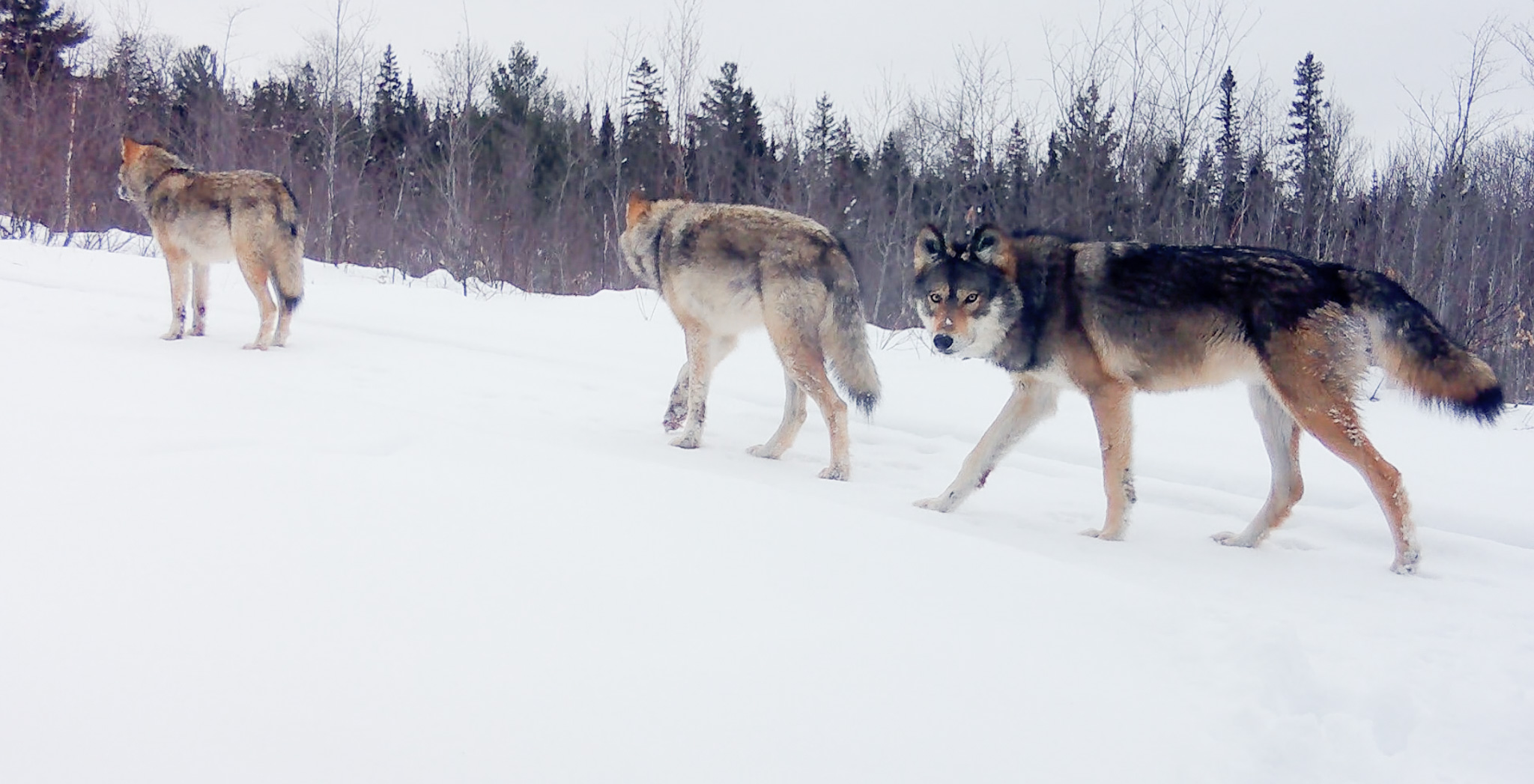
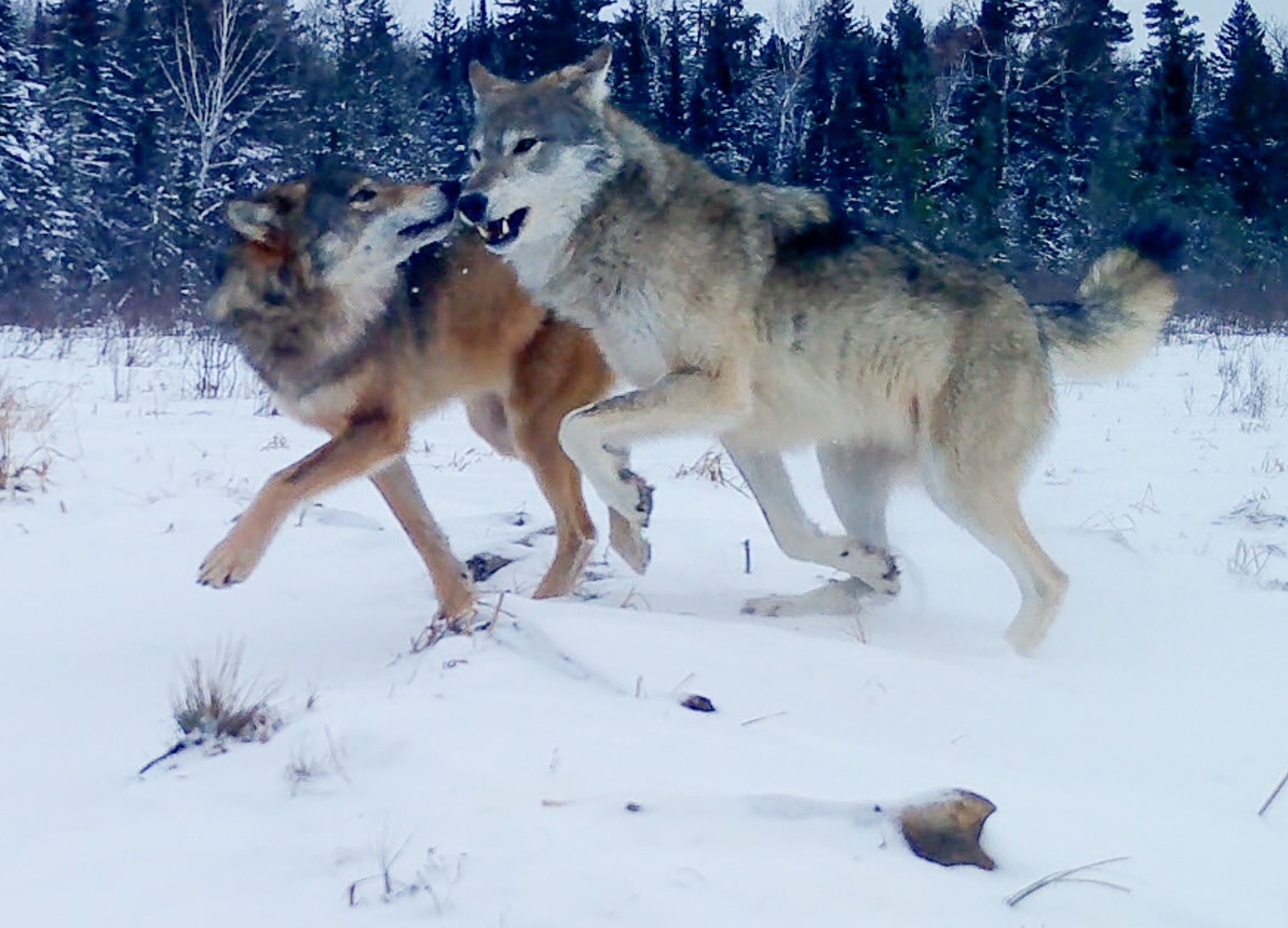
Photograph from https://www.huntinfool.com/states/idaho/wolf
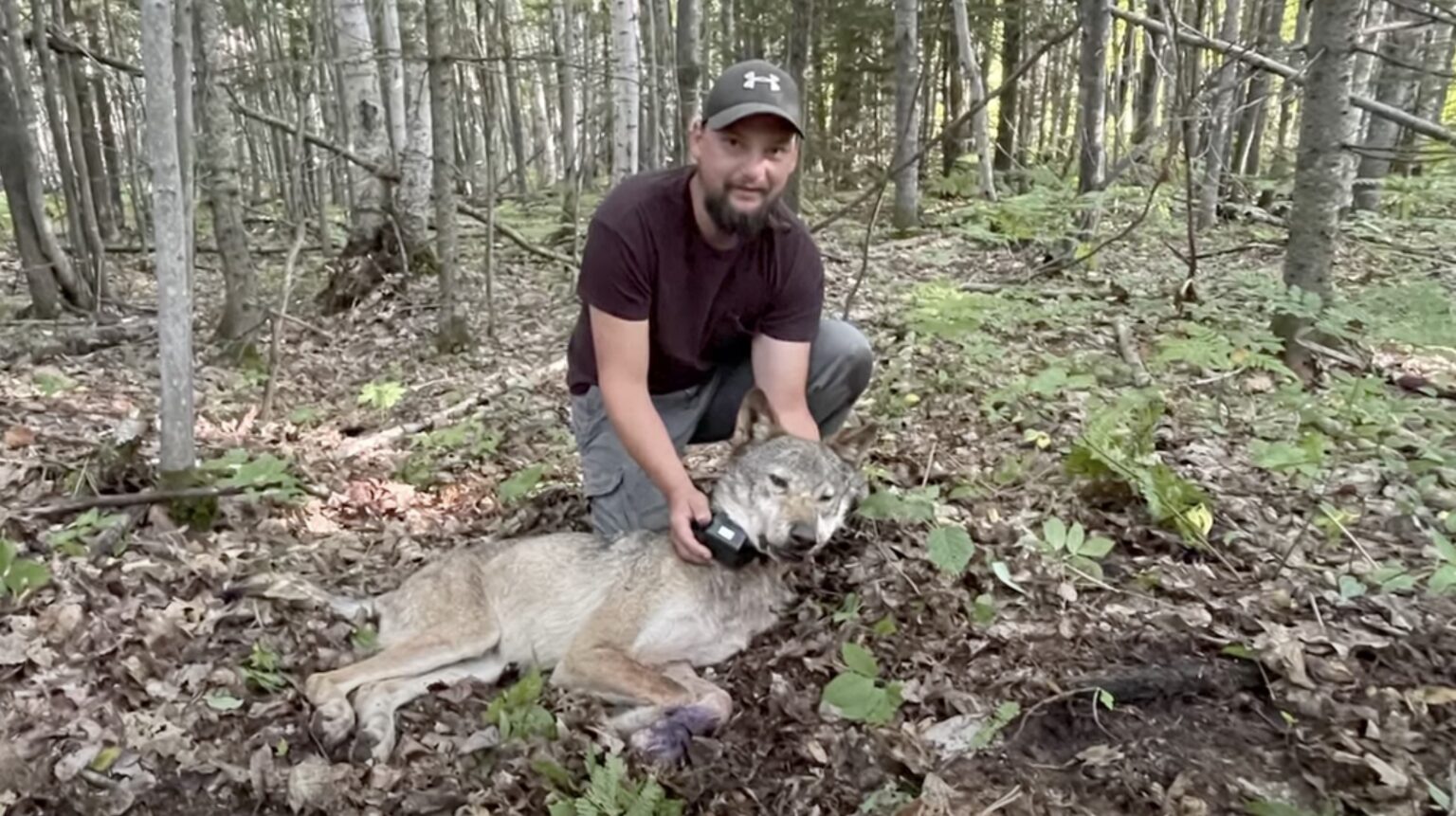
Montana uses an integrated patch occupancy model, or iPOM, to estimate wolf populations using hunter surveys and three different models to determine wolf distribution, wolf pack mean territory and average pack size.
Molloy wrote in his order that Fish and Wildlife is required to “meaningfully account for uncertainty and address substantive criticism,” in data used for Endangered Species assessments, and that the “failure to do so was arbitrary and capricious.”
“Ultimately, the Service failed to use the best available science in violation of the ESA when it relied on Montana’s and Idaho’s population estimates without addressing the criticisms,” Molloy wrote.
FWS allowing states to keep wolves at minimum numbers gives in to negative attitudes about Gray wolves and recovery.
Molloy wrote that negative public attitudes are “undisputedly expressed in the legislative bodies governing Montana and Idaho,” and said Fish and Wildlife did not consider how those attitudes would impact state commitments to maintaining minimum populations of wolves needed to prevent relisting.
“Management of Canis lupus must not be by a political yo-yo process,” Molloy wrote.
The future of Gray wolf recovery is stunted by the state-sanctioned negative attitudes.
Ultimately, Molloy agreed with the plaintiff’s arguments that Fish and Wildlife did not adequately consider the future of the gray wolf under the most drastic human-caused mortality scenarios, nor the political climate that could add pressure to states to continually increase hunting and trapping opportunities. Those changes could lead to the species requiring federal protections again, Molloy wrote.
The state legislature’s running wolf management is a cause of concern for the future of wolf recovery.
“Wildlife management agencies are likely to find themselves in a Catch-22 as they cannot escape from mutually conflicting dependent conditions: If the federal agency succeeds in restoring the gray wolf, leading to delisting, then the state agencies will depredate the wolf, leading to relisting, engendering a fruitless cycle of delisting and relisting,” Molloy wrote.
He also agreed that Fish and Wildlife did not consider the extent of the wolf’s historic range — which includes a majority of the western states — in considering whether it met the ESA definition of endangered or threatened in “a significant portion of its range.”
Read more:
Discover more from Wolves of Douglas County Wisconsin Media
Subscribe to get the latest posts sent to your email.





Leave a Reply