
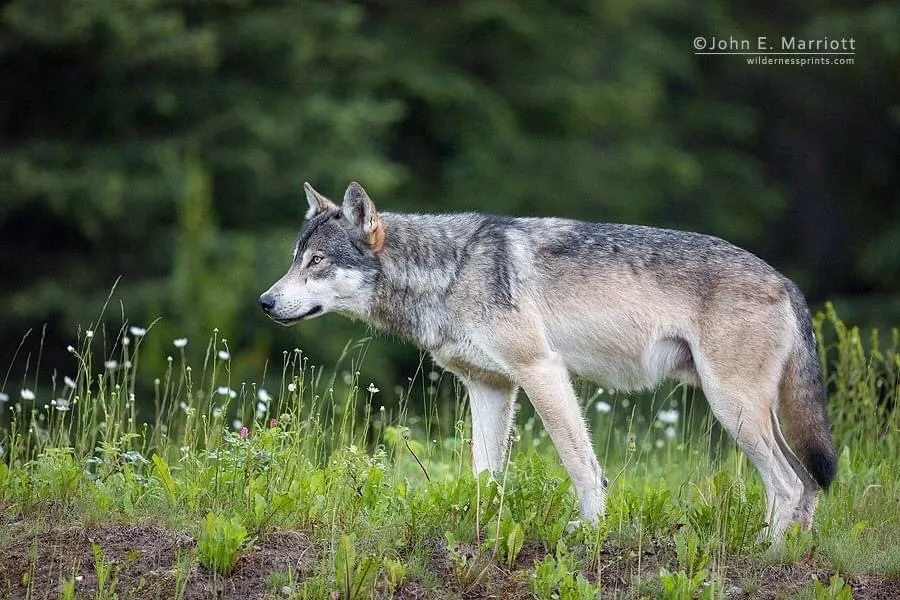
Humans would like to think they are at the top, running the show. Instead, they have done more harm than good when it comes to keeping ecosystems healthy. The old models of conservation call for killing to mange wolves and other species. Killing is not conservation. The solution is to grant Nature rights, to give top predators rights?
What makes a healthy ecosystem? Is it a wide variety of plants, animals, and microorganisms? Is it the interconnectedness of strong relationships between living organisms and their environment? Is it where changes in one part of the system affect the others? Is it resilience, the ability to recover from natural disasters or human activities? Is it a state of balance where no single species dominates and populations of different organisms are relatively stable? Is it about food, nutrients that are cycled efficiently, such as nitrogen and phosphorus? Is it how humans and other organisms receive ecosystem services, clean air, water, and food?
The answer is that all of the above is what makes an ecosystem healthy.
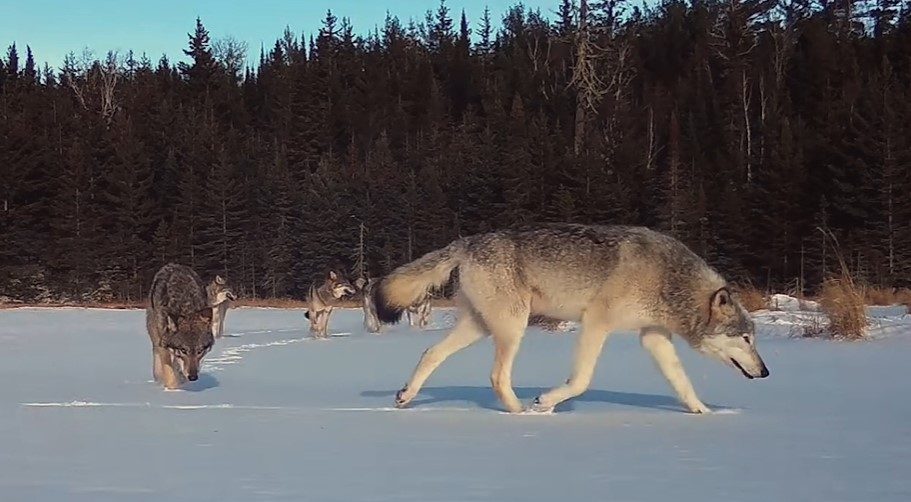
Gray wolves are apex predators and play a crucial role in maintaining ecosystem health through trophic cascades. Trophic Cascades are ecological effects that ripple through the food web. They regulate herbivore populations, prevent overgrazing, and influence the behavior of other species, impacting everything from plant life to smaller predators and scavengers.
Top of the food chain
For instance, Gray wolves in northern Wisconsin are saving the forest by pushing the prey, White-tailed deer, thus preventing over-grazing. How do wolves do this?
That’s because white-tailed deer are bad for both wildflowers and maple saplings. And wolves are bad for deer. In Research that took place at Notre Dame’s Environmental Research Center, which straddles the border between Michigan’s Western Upper Peninsula and Northeast Wisconsin. The site has forest, bogs, and swamps, with red and sugar maples as the dominant hardwoods — a preferred food for deer. In scientific terms, it’s not a question of deer getting smart. Rather, they adapt their behavior in wolf-heavy areas to improve their chances of survival — and incidentally improve the survivability of the maples and forbs, or herbaceous flowering plants. On a practical level, that means deer have adapted by spending less time foraging in “heavy wolf use areas,” the study found.
The research concludes that wolves are likely generating trophic cascades which benefit maples and rare forbs through trait-mediated effects on deer herbivory, not through direct predation kills.
Read more at Wolves of Douglas County Wisconsin Media on the full research.
This Trophic Cascade benefit became part of why the Gray wolf was restored the Yellowstone.

Trophic Cascades, two Decades of Scientific Data Collected in the National Park of Yellowstone, Journal of Mammalogy, can be found in the Keyword “Preys & Predators”. The references of the article are Boyce, M. S. 2018. Wolves for Yellowstone: dynamics in time and space. Journal of Mammology, 99(5): 1021 – 1031.
Video by Forever Green. When wolves were reintroduced to Yellowstone National Park in 1995, no one could have predicted the profound impact they would have on the entire ecosystem. Their presence set off a chain reaction, restoring balance by controlling deer populations, allowing vegetation to recover, and even altering the behavior of rivers. This remarkable example of trophic cascades highlights the delicate interconnectedness of nature.
The absence of top predators such as Gray wolves can have devastating effects on ecosystems.
Predator & Prey Dynamic…
White-tailed deer and the wolf keep each other healthy. The Gray wolf has an amazing olfactory sense! A wolf will walk up to an abandoned White-tailed deer’s bed and gently blow on it. Then, all the particles flow up into the wolf’s olfactory sense, allowing them to determine if the tick’s blood contains pus.
The wolf provides a balance to the environment. Edth Leoso relayed the story of when she was participating in the tagging of wolves and how they followed one wolf as they went into a barn full of cows. She said the wolf walked through uninterested in the herd because the farmer must have had very healthy cows. There was no predation of the cows, and she attributes that to how the wolf takes only the sick animals. Leoso is a cast member in the short documentary People & Wolves. Edith served nearly 18 years as the Tribal Historic Preservation Officer for the Bad River Band of the Lake Superior Tribe of Chippewa in northern Wisconsin. Served two terms on the Bad River Tribal Council. Her story is featured in the book, “Love WI.”
Humans and healthy ecosystems
Modern humans, Homo sapiens, have been on Earth for approximately 300,000 years. Colonials spread into the Americas like fire ants.
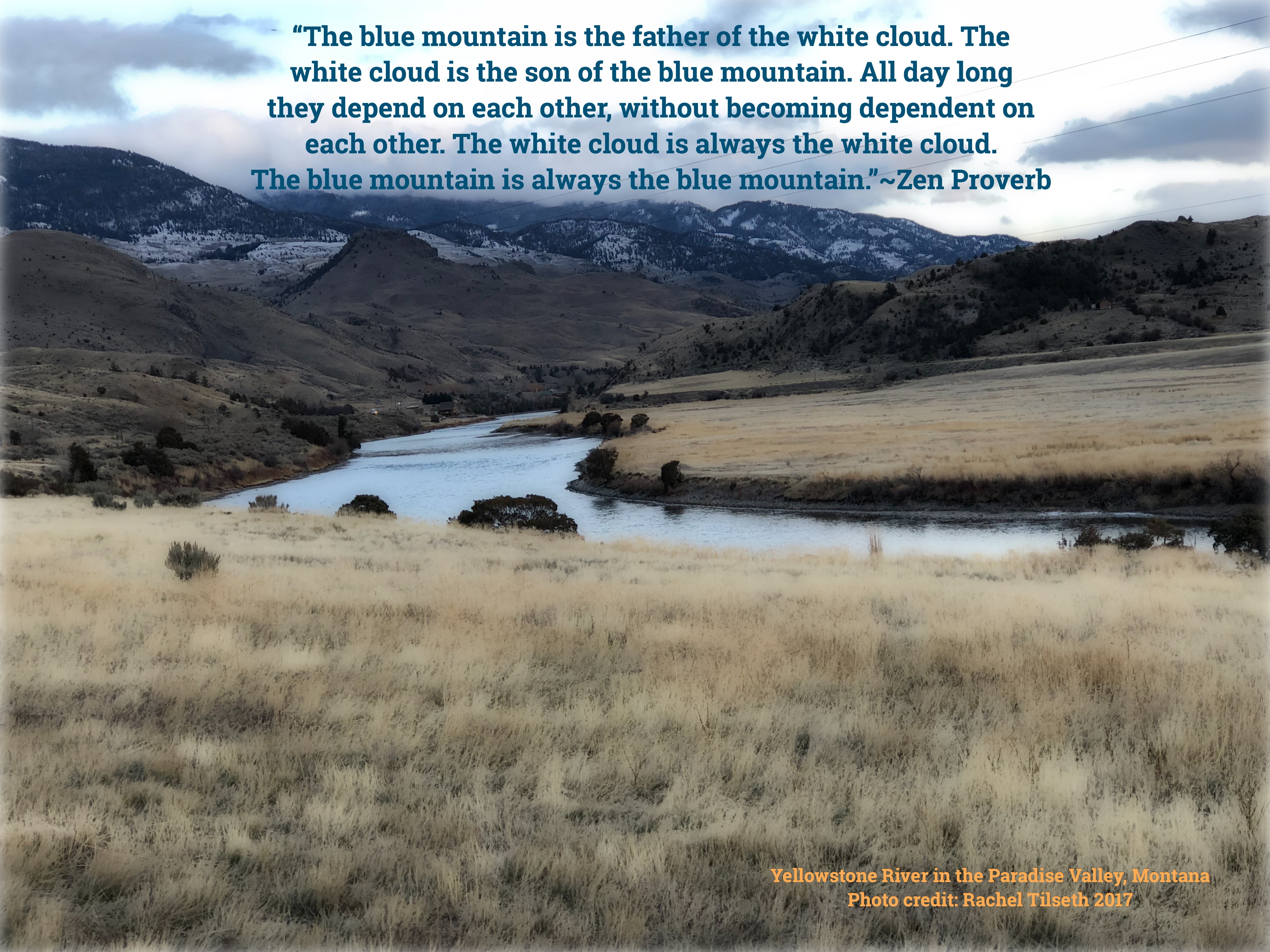
Humans have changed rivers.
The clearing of forests to produce farmland led to soil erosion, with large quantities of sediment deposited into rivers. Agricultural intensification has resulted in nutrient and chemical loss to nearby streams and rivers. Elevated nutrient concentrations (especially nitrogen and phosphorus – key components of fertilisers) can result in the eutrophication of slow-moving waterways. The destruction is immense to our waterways.
Should rivers be given rights? Water is life. Who is water?
Water is essential to life. Yet in the eyes of the law, it remains largely unprotected — leaving many communities without access to safe drinking water, says legal scholar Kelsey Leonard. In this powerful talk, she shows why granting lakes and rivers legal “personhood” — giving them the same legal rights as humans — is the first step to protecting our bodies of water and fundamentally transforming how we value this vital resource.
What can you do? Start the conversation with a friend or a neighbor about giving nature rights. Plant the seeds that bring change.
Earth sits in a galaxy, a self-contained spaceship you could say. We have everything we need to survive, air and water that sustain the spaceship, giving us an atmosphere. That is, until we became too industrious to the point that material possessions made it too easy for us, and we forgot how to survive. Not just survive, but how to do that with the help of Mother Nature.
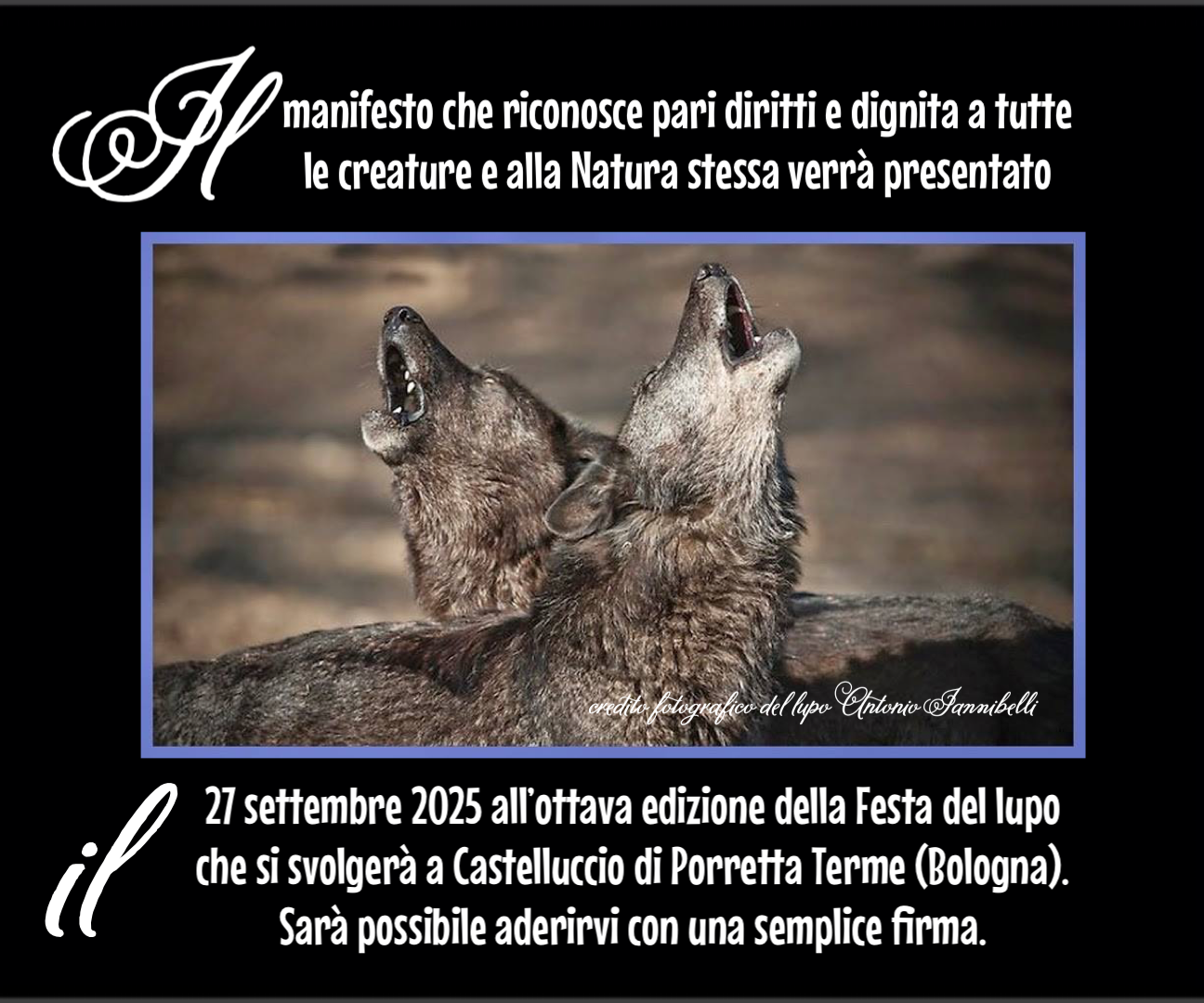
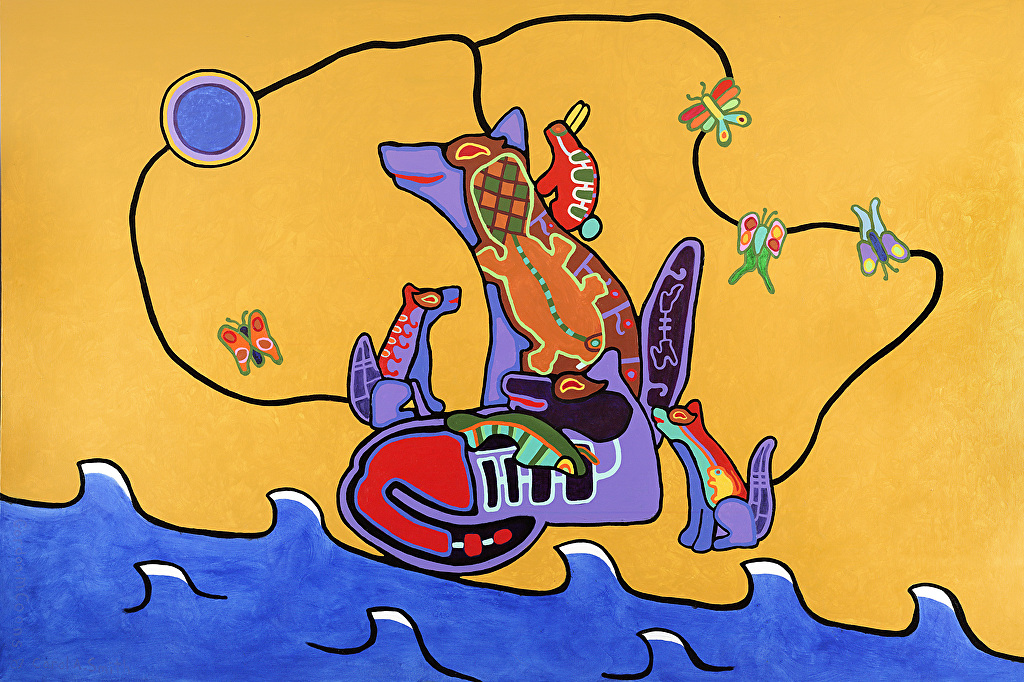
I believe that giving our planet, Earth, rights and granting all its beings rights, including wolves, whales, bats, bees, and all, can save us. Revolutionary idea, yes! But if we stay here, we must change because there’s nowhere else to go.
Change…
Discover more from Wolves of Douglas County Wisconsin Film Company
Subscribe to get the latest posts sent to your email.





Leave a Reply